Here’s a new video I made that explains a little more about my crankbaits and their uses.
Tackle
Anything Tackle
Winter Crankbaits on the Rocks
Over the past week or so I’ve been working the crankbaits over warm rocky shoreline in the middle of the afternoons. Once I caught a few fish on a medium crankbait last weekend I tried a bigger 3.0 DD with same color pattern. I tried casting it in the same areas I’ve been catching fish and after a couple hours I put it back in the box. I tried trolling the bigger deeper diver but it got no attention.
We also tried my old faithful 2.75 CB medium/deep diver. It’s the one that we used over the summer and up at Burton with great success, both trolling and casting. Something that is very interesting about the 2.75 medium/deep CB blanks I’m getting is that the bill has changed from a clear plastic to a frosted looking plastic. Since the change, our catch rates have went way down with the lure. The clear bill really makes a difference in the CB and I probably won’t get any more with the frosted bill. We have yet to catch a fish on the 2.75 over the last month.
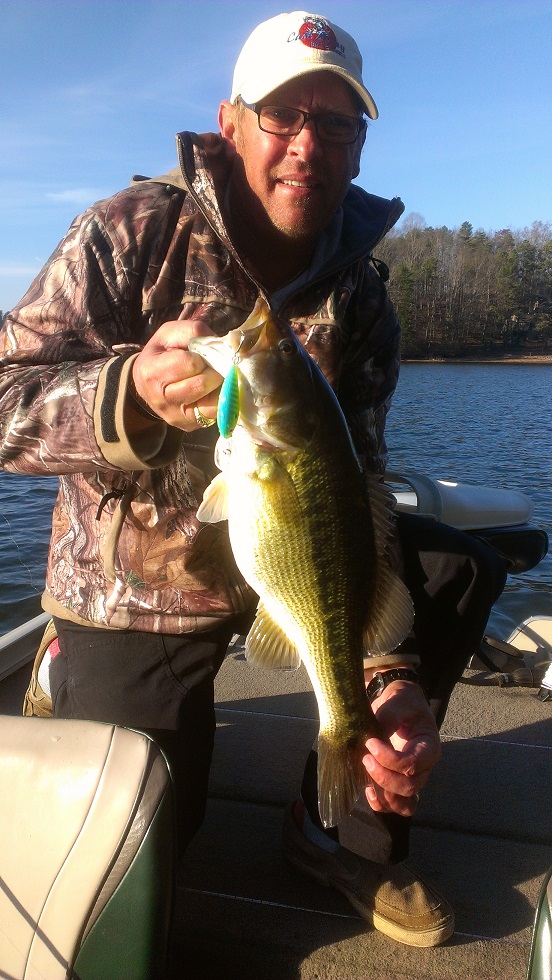
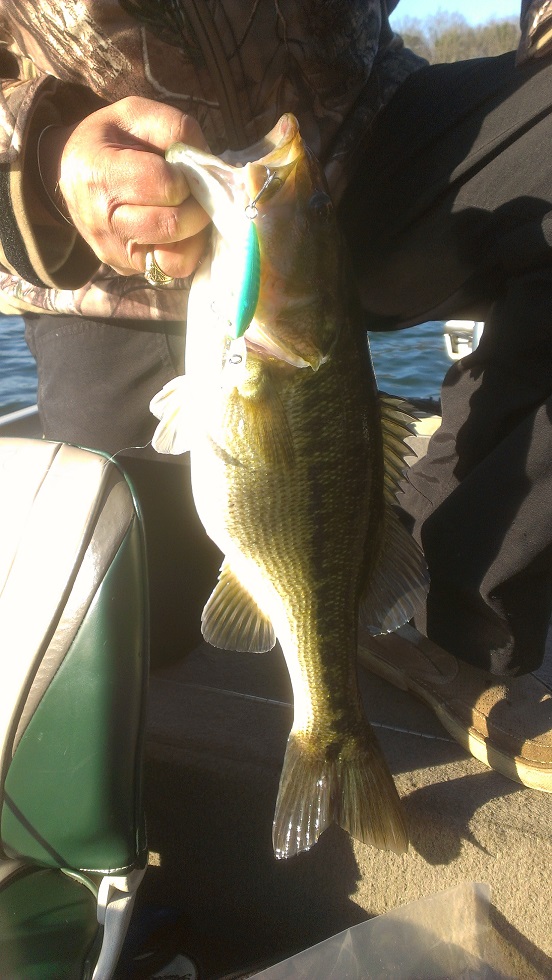
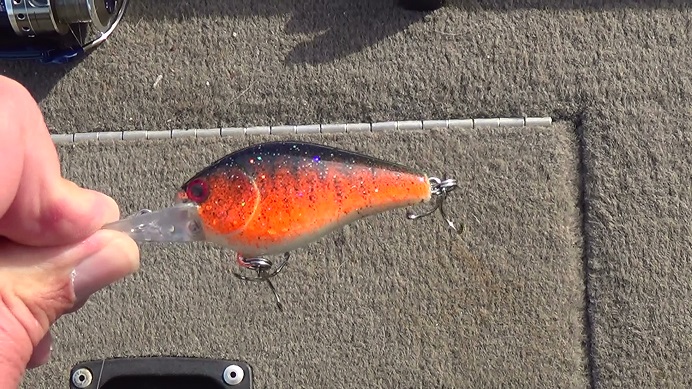
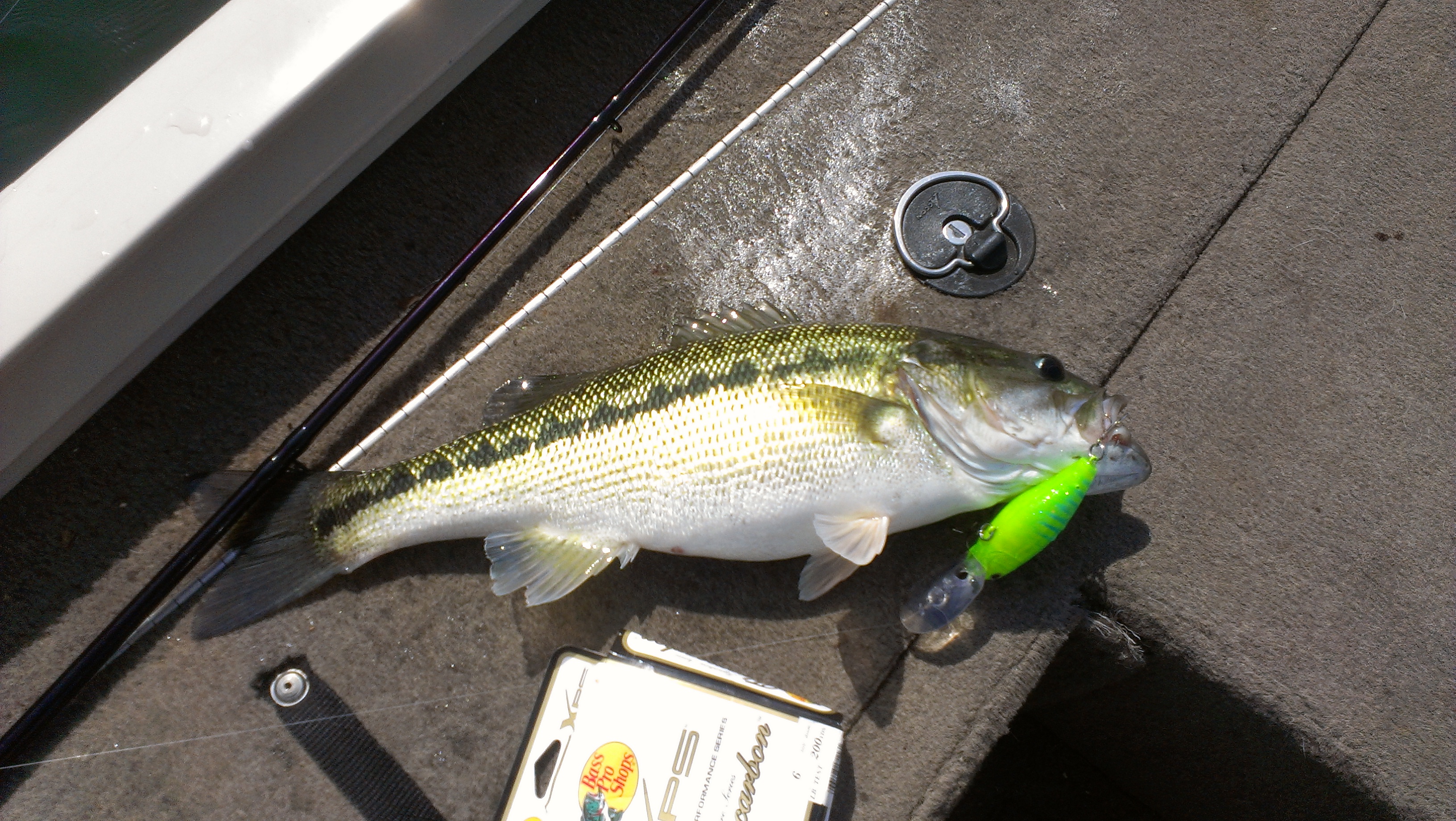
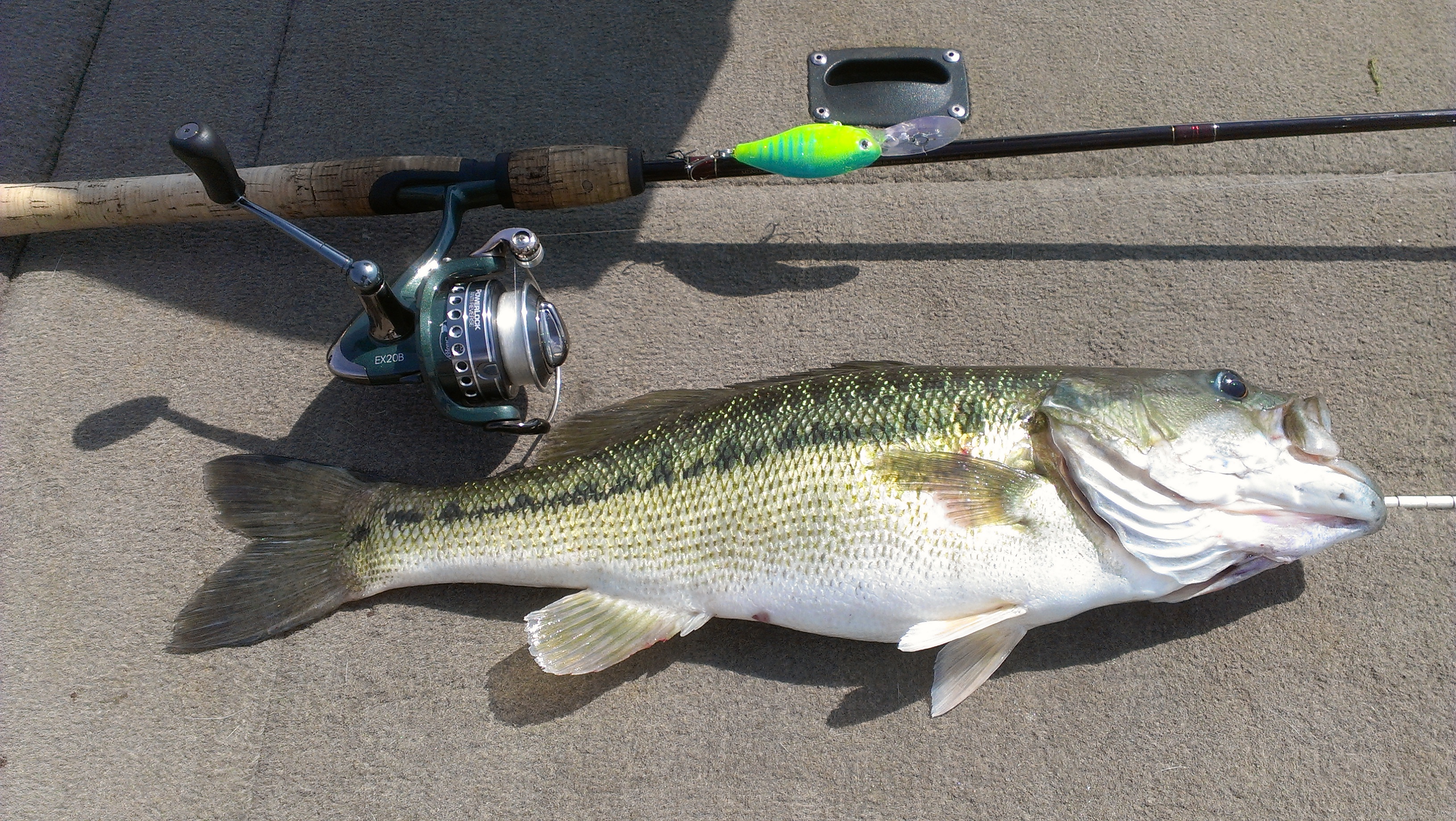
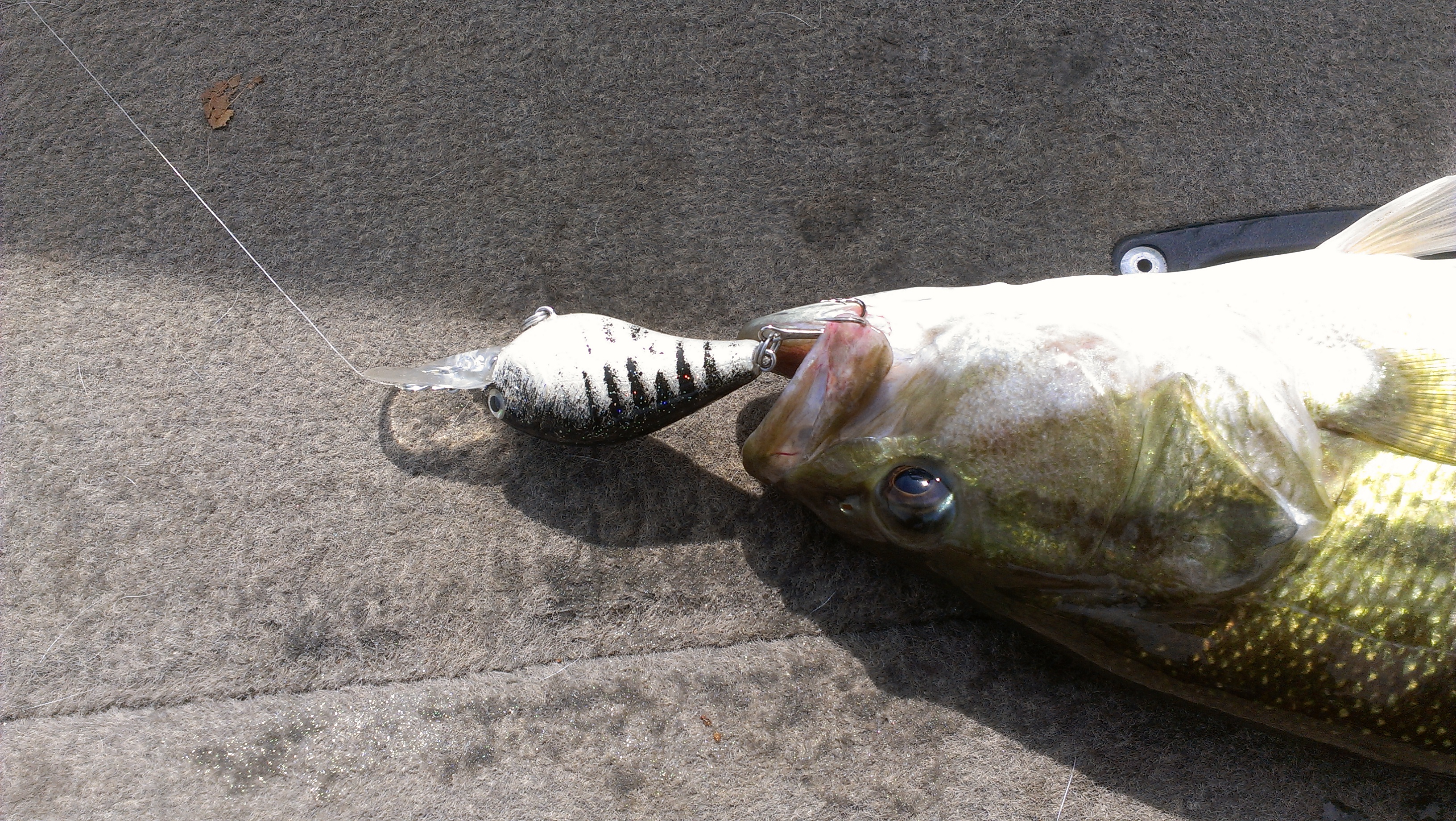
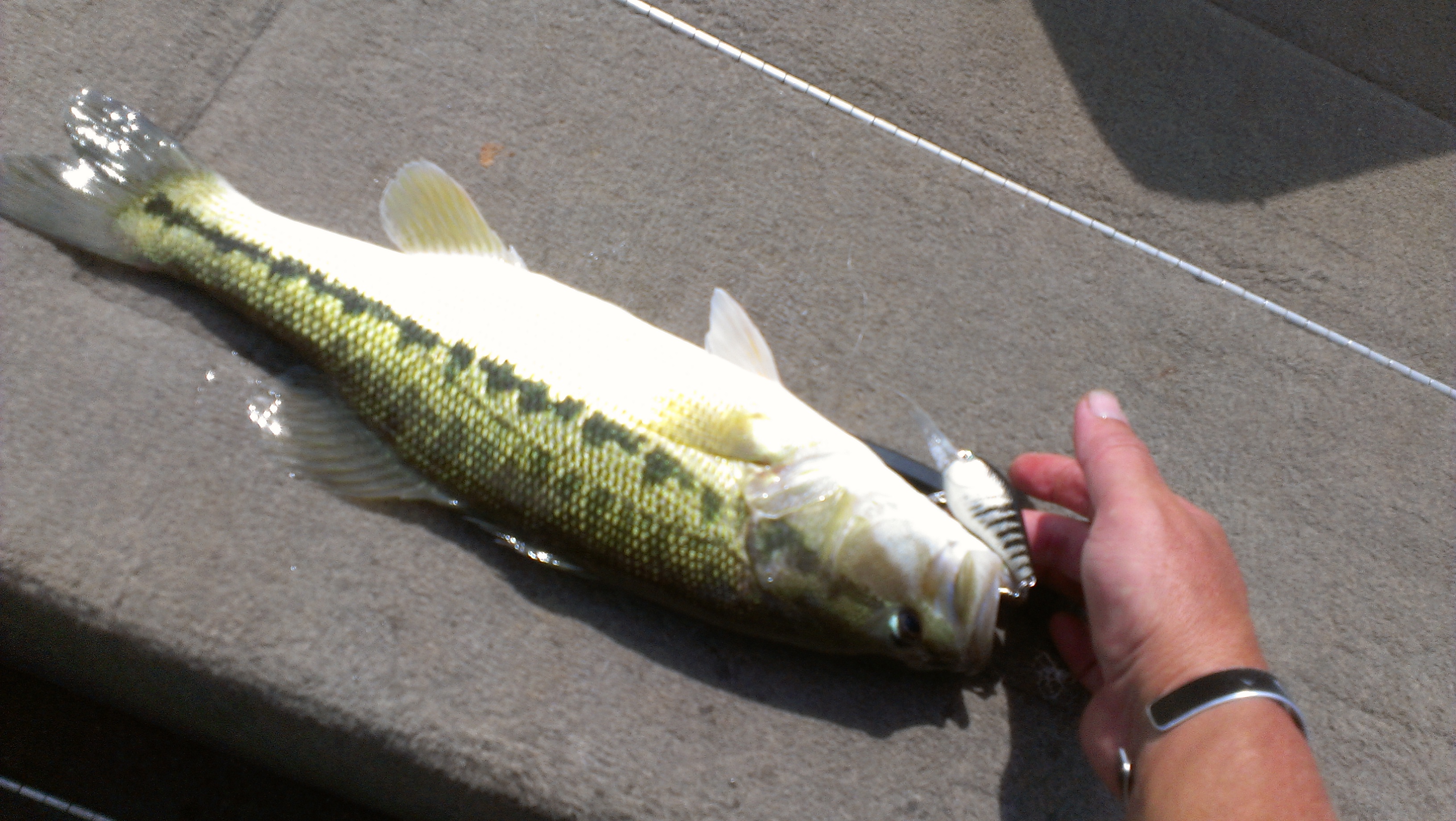
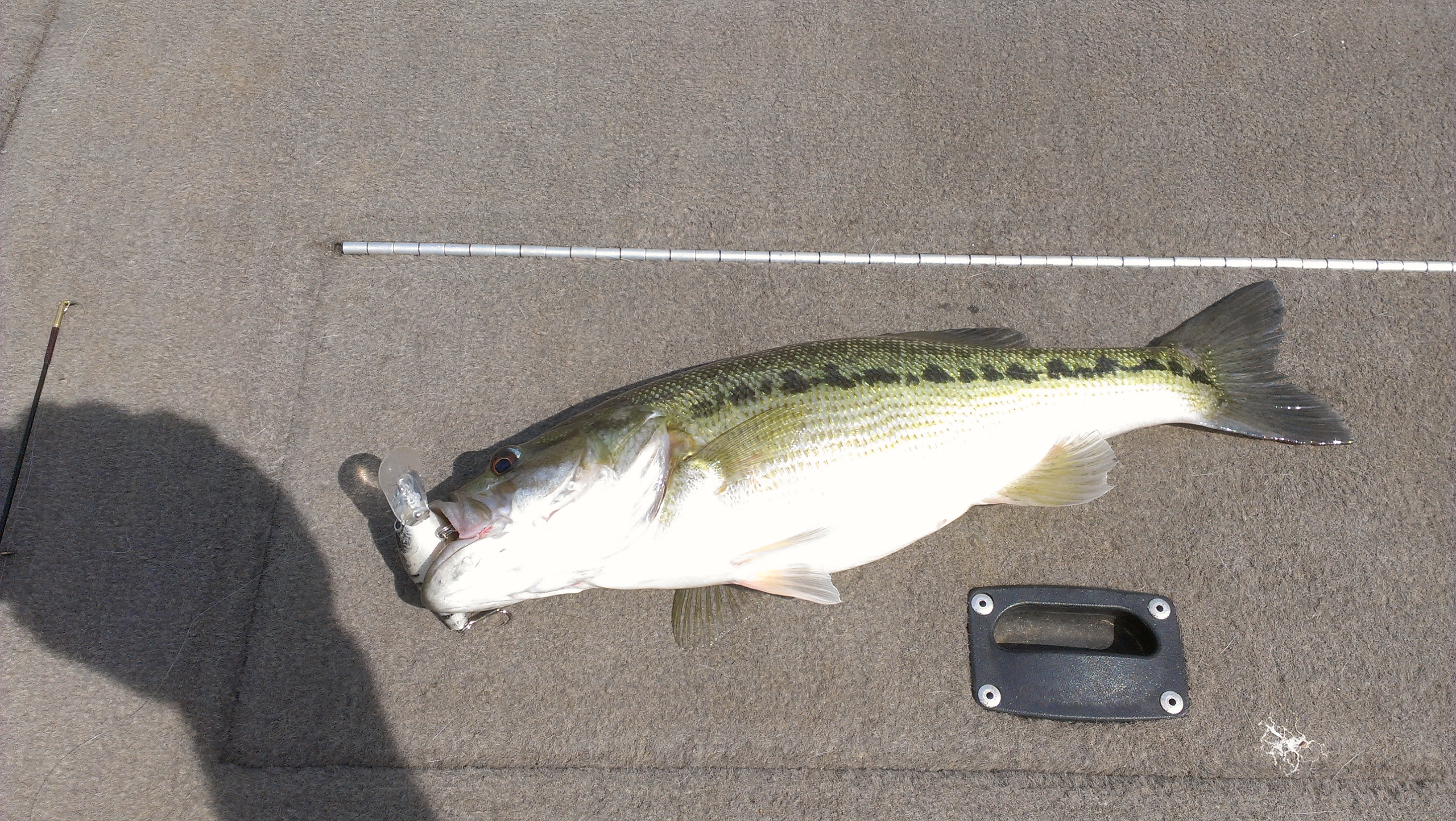
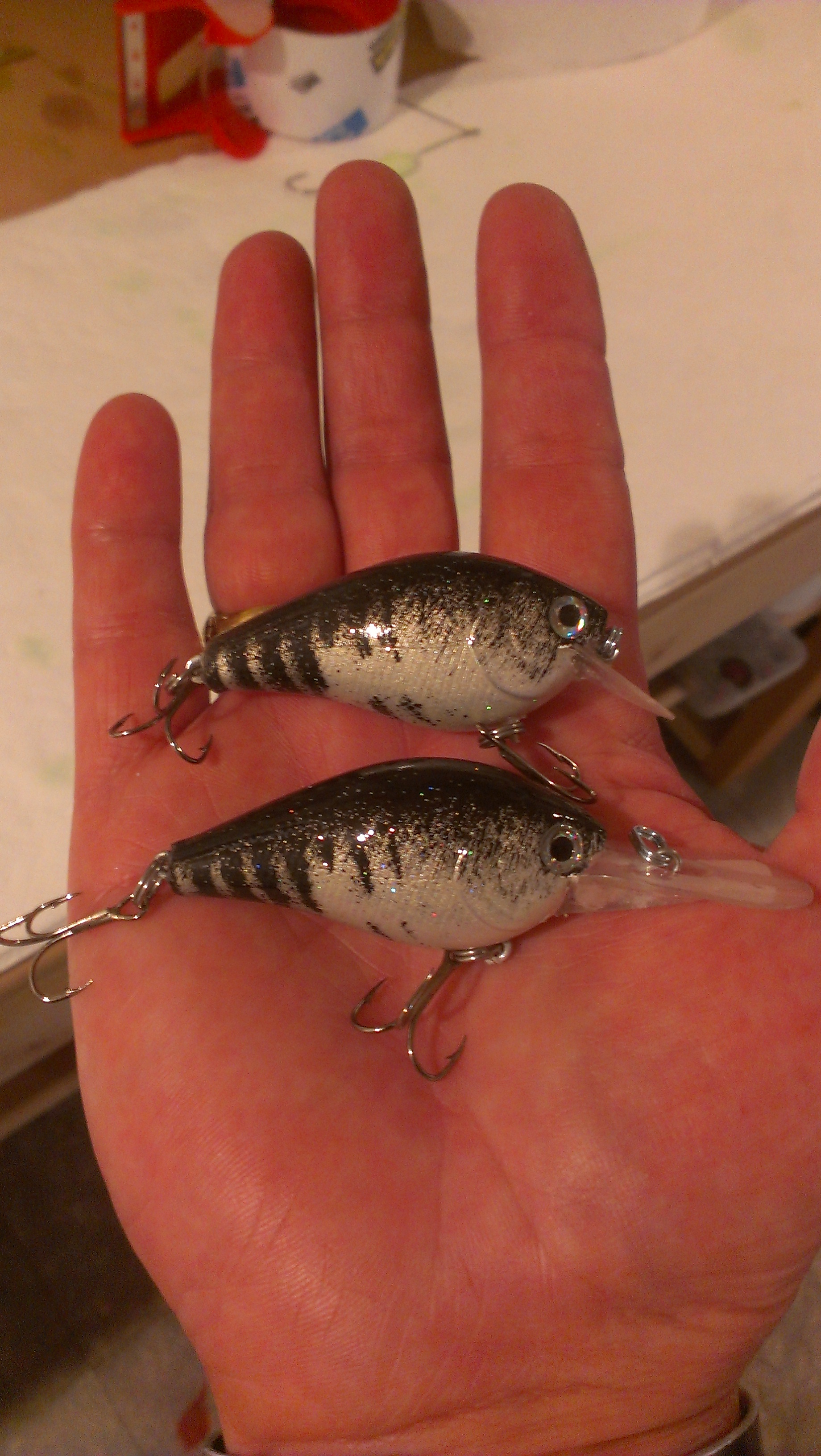
Once I determined that the fish weren’t interested in the 2 inch and bigger CB’s we just concentrated on the 1.75 medium crank and the 1.5 medium crank. The 1.75 medium is the one in the pictures above. The 1.75 has the loudest rattles of all my CB’s and I think that’s a huge success factor on the rocks.
Some folks have ask me about how I target bigger fish and finding the right areas where they reside.
I gotta say that over the past few days the biggest fish have come from areas where the sun is heating them up. All the fish yesterday came from rocks and docks. The big fish came from a southwest facing rocky outcropping with a dock directly facing the afternoon sun. When the sun comes out and starts heating up these areas, the bigger fish usually follow. The fish have been hitting in the 5-15ft depth.
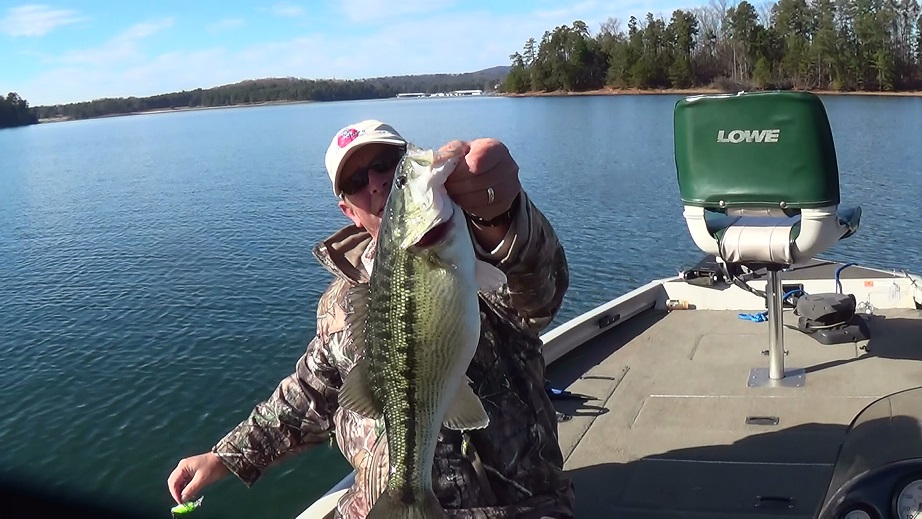
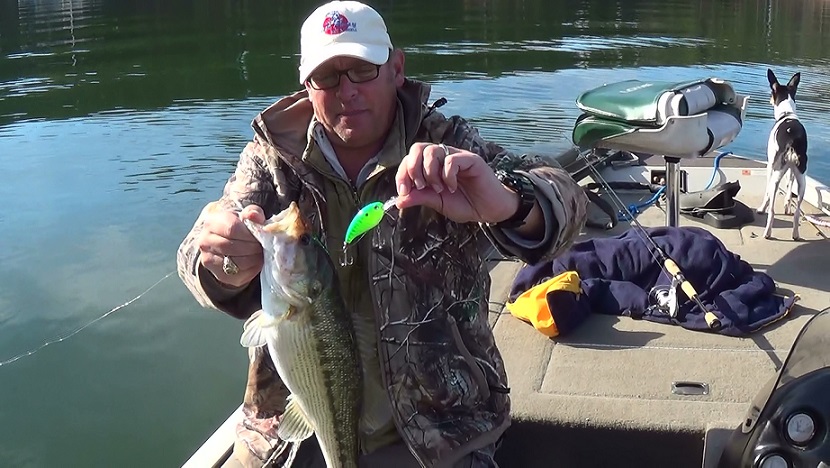
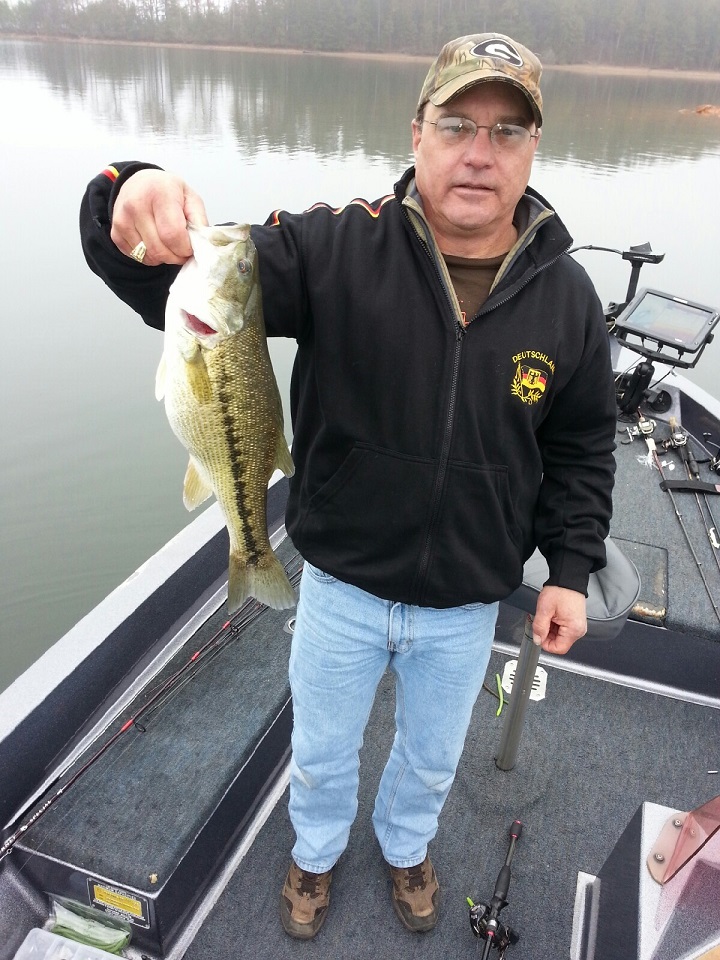
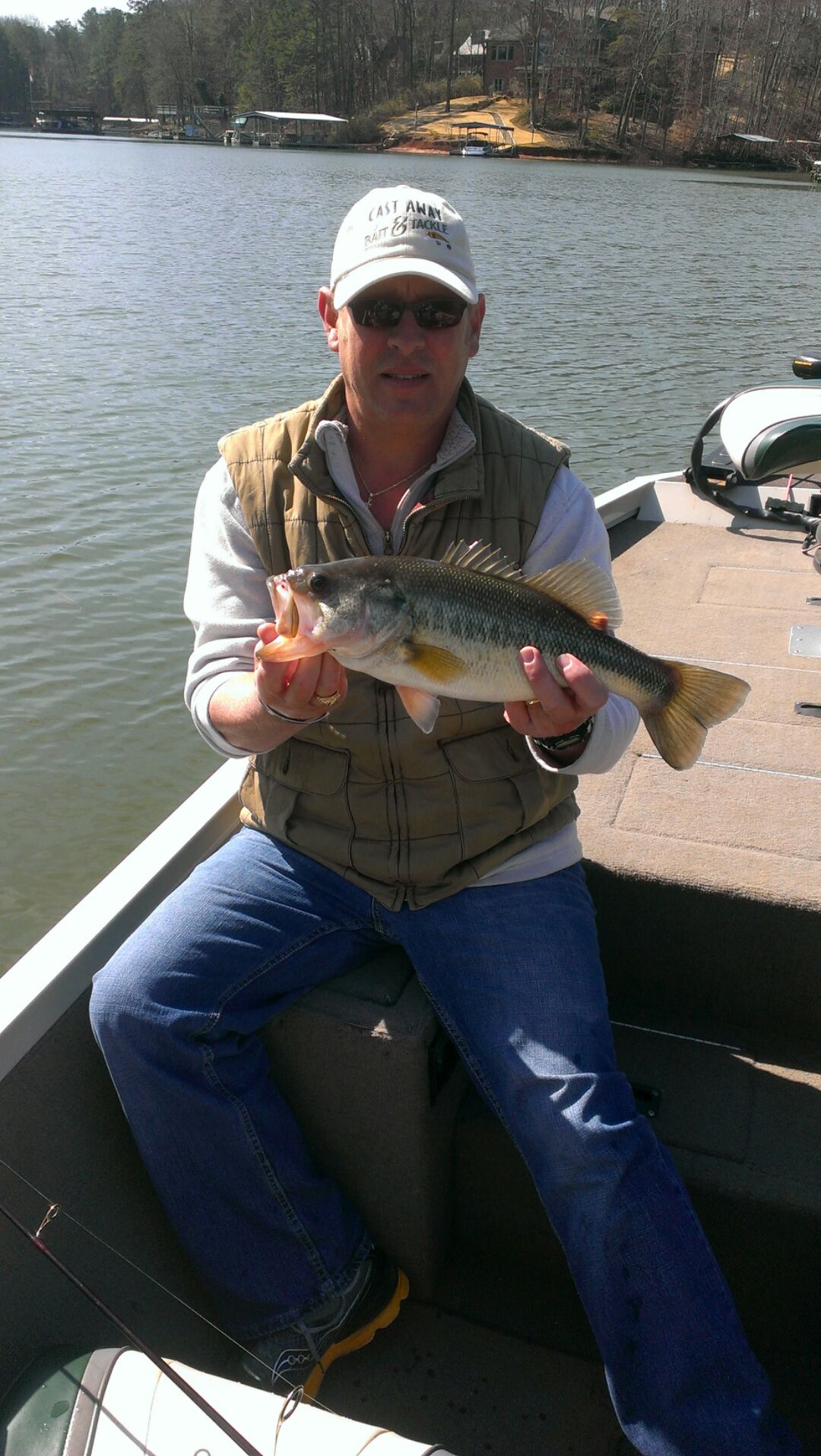
Something else that is very important is presentation. My buddy and I used the same bait a few days ago and he zeroed with the bait while I caught 4 nice fish. The difference was that he was just casting and cranking. I’m casting, hard jerking the bait to the bottom and then cranking, jerking and stopping over and over. I’m working it more like a jerkbait than a crankbait and I think that mimics a foraging bait on the rocks instead of a swimming bait. here are a few pictures and videos from some of our recent crankbait trips in the creek. The first picture below is a picture of my last bass for 2014, caught on New Years Eve just before sunset. It was a nice way to end 2014.




Early Winter Creek Report
It’s been a while since my last report and the water has cooled to around 50 degrees in the creek. The fish have done what they do best this time of year and that’s getting cold and slow. The fish take a few weeks to acclimate to the cold water and generally they will sit down on the bottom and slow their eating habits. This is the time I like to slow down with them so I go to my slow baits like worms and jigs. I like to crawl the worm down the drop-offs and ledges as well as working the worm on points. The best color I’ve found is a green tomato color I made. This worm is kind of special because it changes colors in the sunlight. I added some chartreuse to a watermelon color and added some red and black flakes to make a killer color for these winter bass. We’ve been using the Carolina and Texas rig and dipping the worm tails in a garlic dip. That seems to be what the bigger fish are looking for. Here’s a few pictures and a couple videos from some recent worm fishing trips.


Bald Ridge Report week ending 6-8-2014
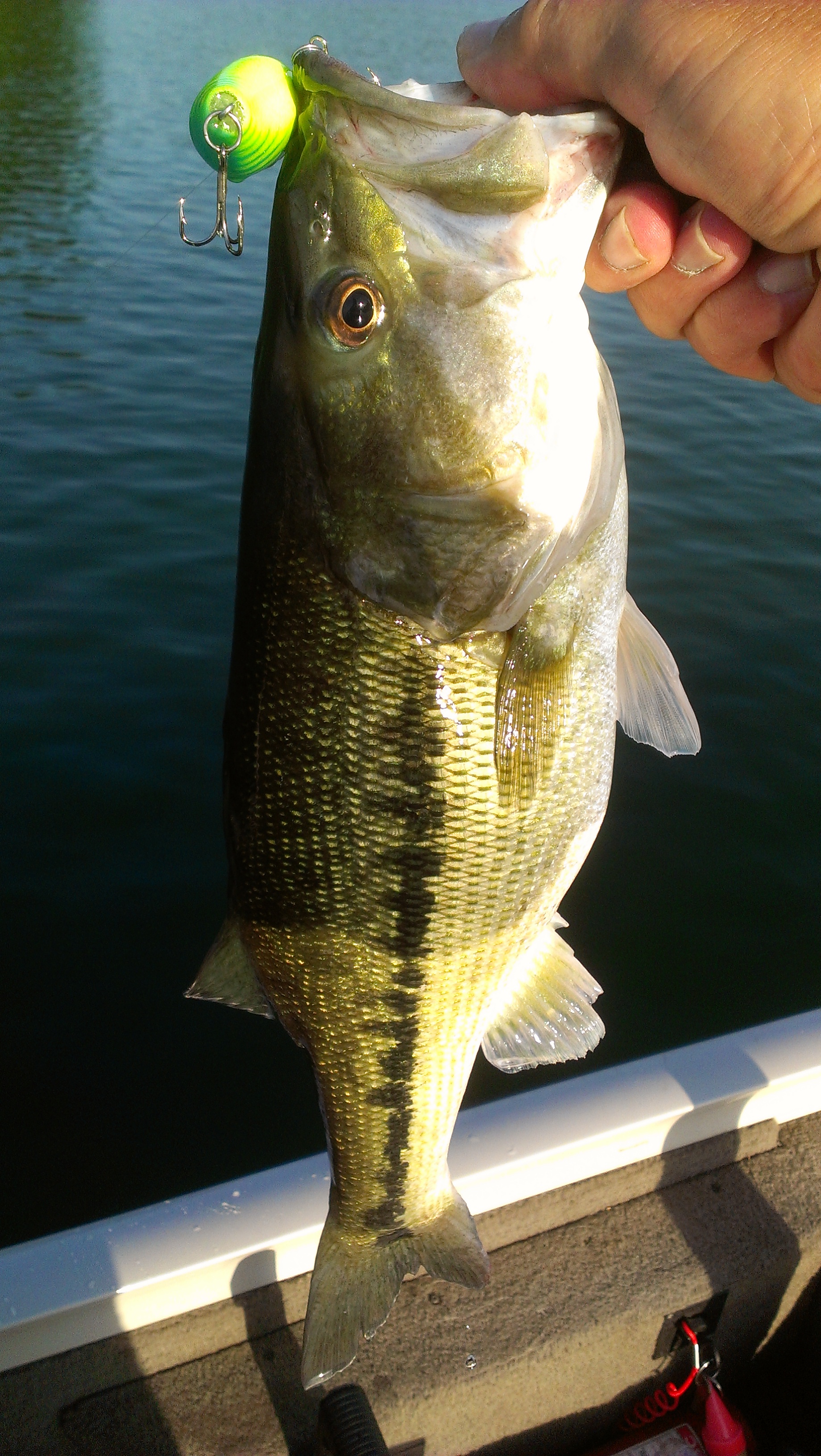
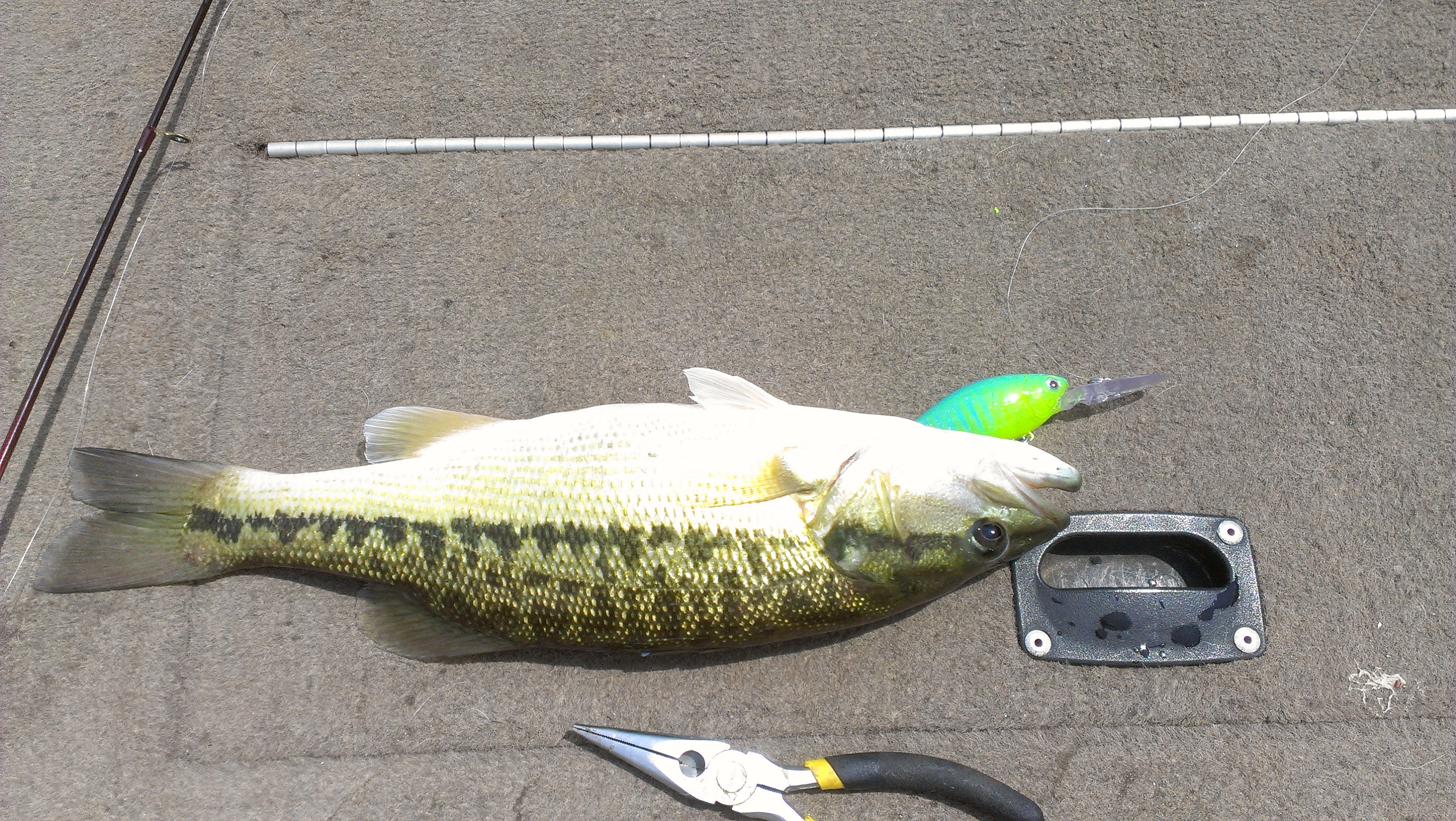
This week I fished on Monday, Wednesday and Friday morning and then again Saturday evening. This past week the deep diving crankbait in my Sand Key pattern was the dominate bait all week. The best location was rocky points in a 20 to 25 foot depth. If there was brush out on the point at that depth, there were generally fish in the area. I caught a lot of nice fish with some pushing 3-4lb mark on the deep diving crank and I found that working it slow was generally the key to the bigger fish. Trolling the cranks were successful, but casting, cranking the bait and working it back to the boat slowly was a better pattern. The slower the better with stopping the bait on occasion was the key. When the bigger spots hit the bait it was generally a good strike and some of the fish were hooked with both sets of trebles which would take some of the fight out of them. I caught fish all week on this pattern and figured the same pattern would hold true for a tournament we fished up on the north end of the lake on Sunday. As fate would have it, the crankbait bite was slower up on the north end but I was able to catch a smaller keeper and lost a very nice fish at the side of the boat that was barely hooked with a single treble barb. It was just that kind of day for us as I caught a few dinks but the fish were generally chasing and short striking it. We tried a variety of baits but the other 2 keepers came from the dropshot with my little dropshot worms in a crystal blue pattern. They seemed to really react to that color.
Water temps were moving up through 80 degrees and above. The wind was out of the north and the west later in the week and the barometric pressure was lower due to a front that moved over our area and stalled. The bass seemed very active, especially early in the morning. Here’s a few pictures from the week.






Bald Ridge Report week ending 5-31-2014
Early in the week we fished in the evening for a couple days and then I hit the morning bite late in the week. I’ve been concentrating on jerkbaits and crankbaits and I’m seeing the bite slow with both as the water warms. Water temps are in the upper 70’s to low 80’s when the sun is out. This past week I’ve been looking for bigger fish out towards the mouth of the creek on points. We’ve been finding a few nicer fish casting crankbaits around rocks. It seems that the bigger fish are out deeper but they are still moving up on points in the morning. Early in the week, in the evenings we found fish cruising the shoreline in the back of the creek right before dark, feeding on small gizzards. We had no problems with numbers but size was lacking. I decided to move out to the mouth of the creek to look for some morning fish and I found some very nice fish that were cruising the rock piles early in the morning. The Zee Shad medium diving crankbait around the rocks has been the key around the mouth of the creek. I’m seeing more topwater fish, both stripers and bass over deeper water so next week I’m going to paint some topwater Sammy type blanks in a few different patterns including bone and blueback.
Our top producing baits this week is still the crankbaits, both shallow diving square bills and my medium divers. The best color pattern is the Zee Shad pattern right now because there are still a lot of smaller gizzards cruising the shore line and the Zee or Zebra pattern has a close resemblance to the gizzards. We’ve also had some luck with my Sand Key and the Sexy Shad patterns in low light conditions.
Next week I’m going to use the Ultra-Spin with my twitchbaits in a pearl with blue highlights pattern. Last year in June we were catching quite a few fish with the Ultra Spin and I think this year will be no different. We’ll see what happens later next week with the Ultra-Spin. Also, I should be putting the big striper boat back in the water and going in search of stripers as well as netting some spottails and doing some dropshotting out of the striper boat. As far as the stripers go, I’ll probably break out the leadcore rods and start pulling some shad type baits around long points and flats looking for some shallow cruising stripers.
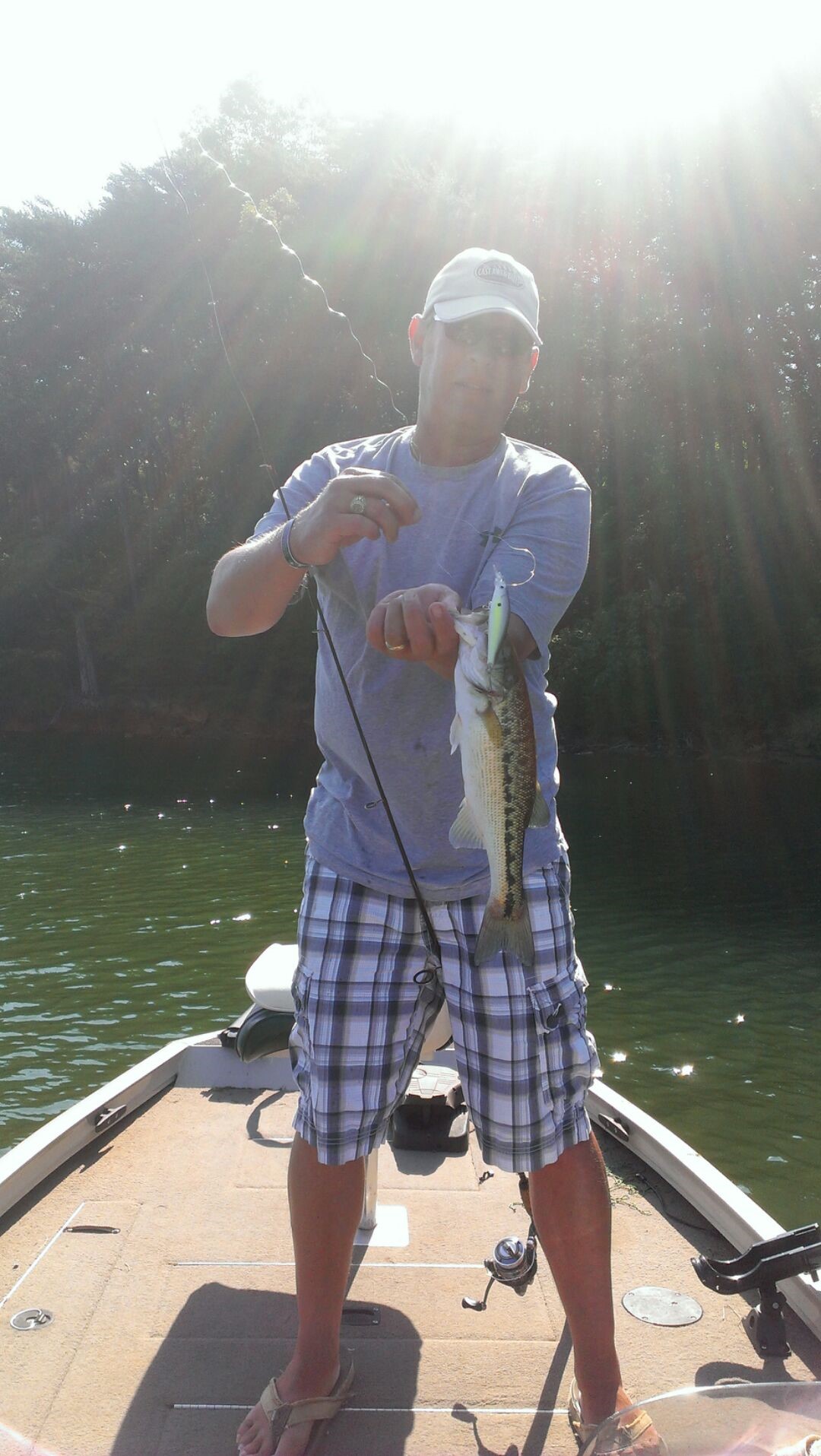
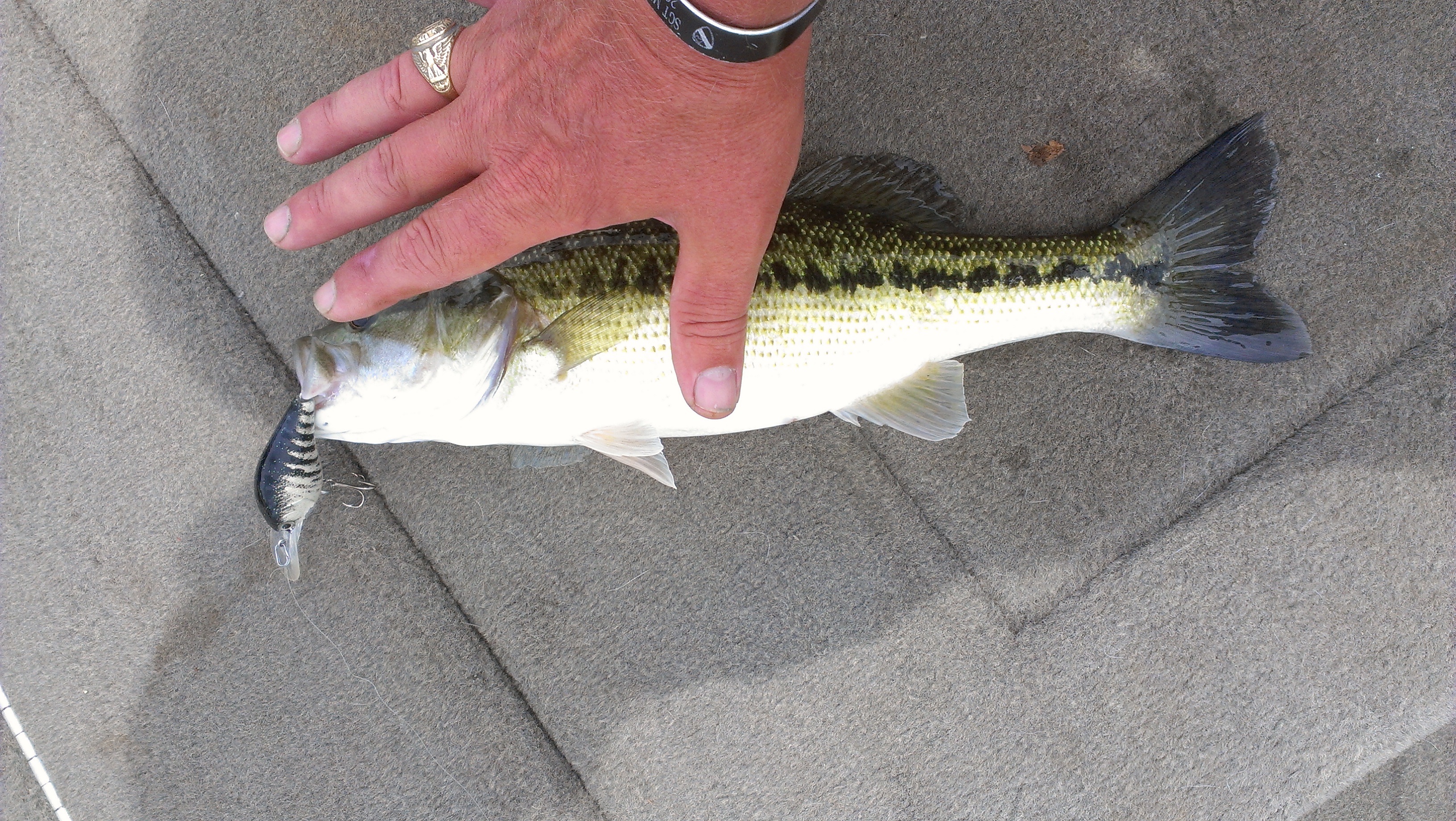
Here’s a few pictures and a video from this weeks fishing trips:





Bald Ridge Report 3-1 through 3-11
The creek is clearing up and the fish are starting to heat up also. We’ve been concentrating most of our efforts to bass fishing of late because I’ve trailered the big striper boat back to the boat garage for maintenance and to prepare it for the summer striper trolling season that will kick off in a few more months. Right now we’re plinking away at bass with smaller tackle in shallow waters as the bass enjoy the warmer shoreline temperatures and start relating to shallower structure in lieu of the upcoming spawn. We have been using our new little Bed Bugs with 1/8 and 1/16 ounce egg heads and also our little 1/4 ounce Ultra-Spin with a 3.75 inch Twitch bait in a pearl white, blue iridescent pearl or chartreuse over white has worked the best. Here’s a few pics and video from the past few trips out.



)
Cast Away Flash Boards
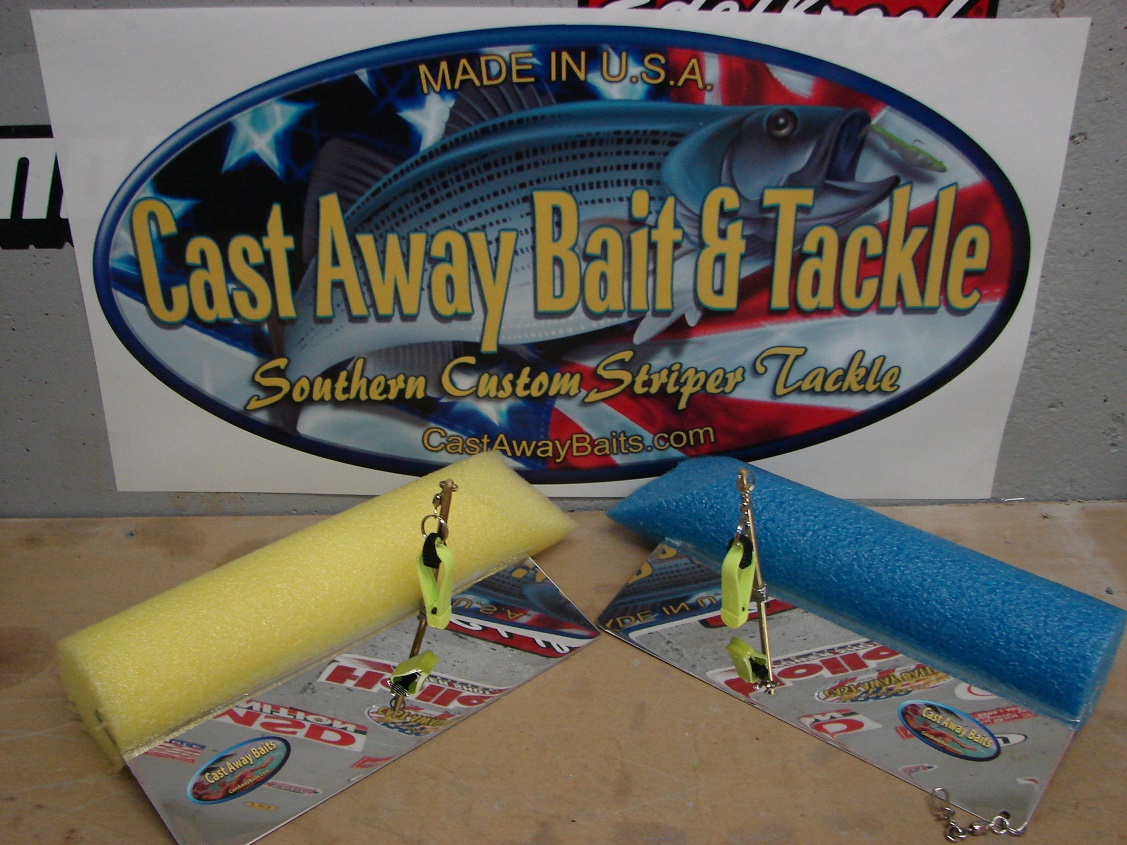
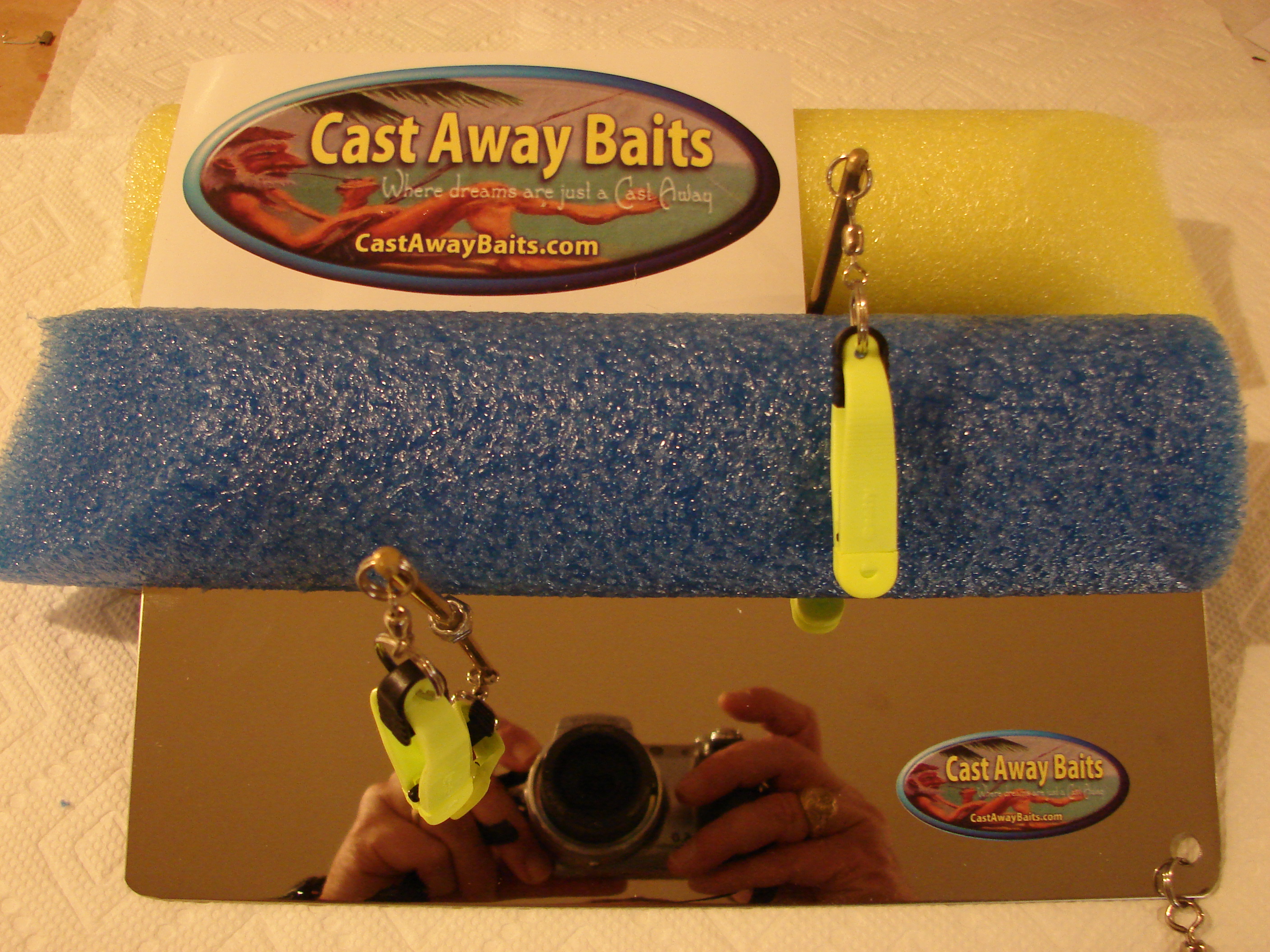
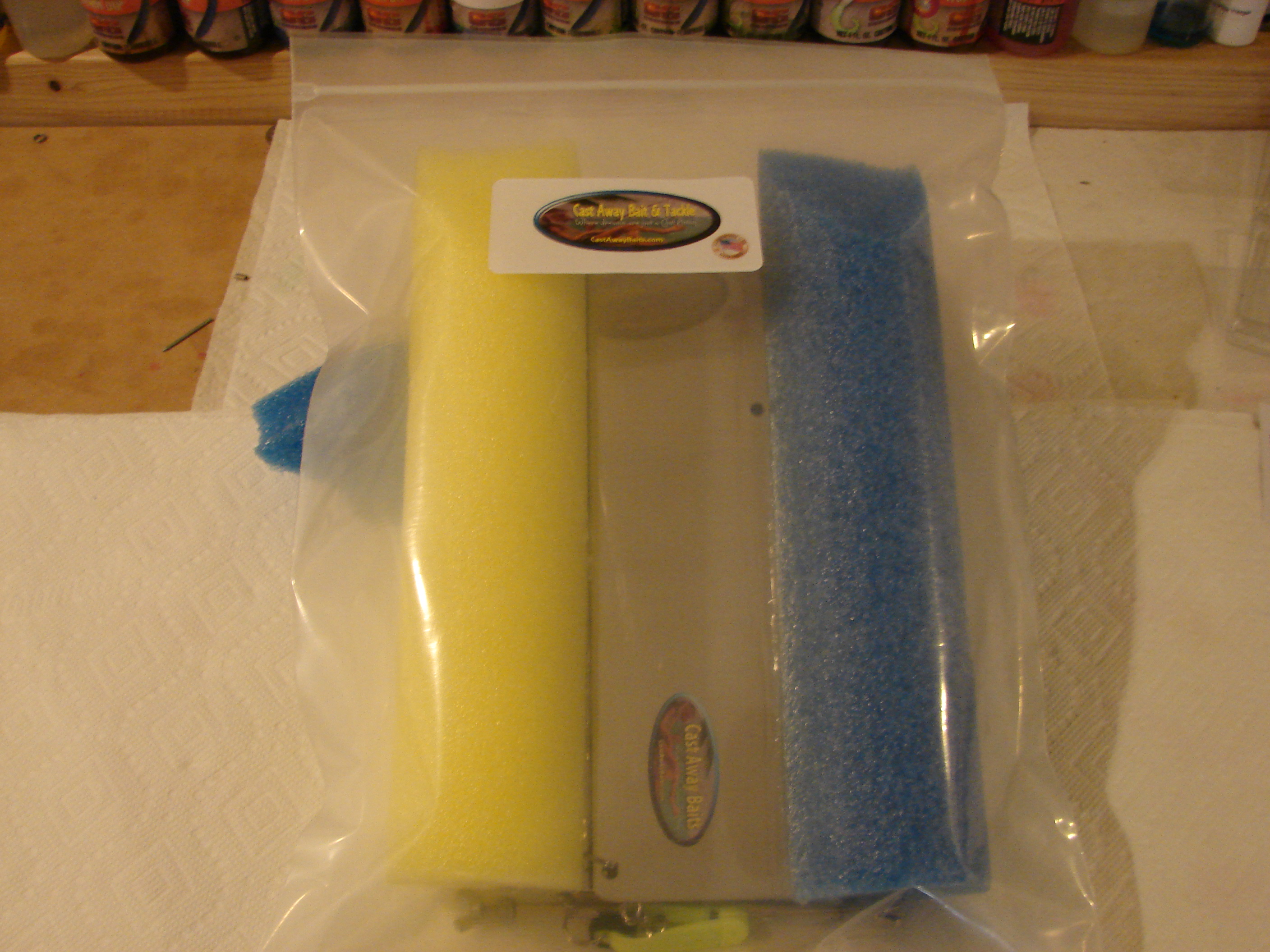
Several years ago when I first started making planer boards, I made a few sets with a mirrored finish. We called them flash boards because they created a flash while pulling them in the sunlight. On a trip up the Tugaloo River over on lake Hartwell in April we were using the Flash Boards pulling live bait during a club tournament. We got into a school of stripers and we started noticing that our flash boards had stripers swimming with them as we pulled them along. We knew that the boards were flashing in the early morning sunlight and the stripers were very curious as to what was flashing in the water. We caught several stripers on the boards that morning and we won the tournament. Those boards were a definite help to us that morning and I believe the flash created by the boards was a great attractant for those river stripers. We decided to bring back the Flash Board design this year for our 5th anniversary at a great price.
***Update***
The Boards are now in yellow only. We have discontinued the blue colored boards.


From the February Angler Magazine
“The Southern Tackle Box”
The Dog Days of Winter
I’m not sure if there is such a thing as the “dog days of winter”, but if there was, it would have to be fishing our area striper lakes in February. For our area lakes, February is a month when the water is the coldest with water temperatures getting down to the mid to low 40’s. During this period the fish slow down along with their metabolism and food requirements. Stripers and bass will generally hold in deeper areas, usually in groups and becoming finicky eaters at times. They don’t move around in search of food like in the spring and summer but choose to wait on the food to come to them. They turn into “opportunists” rather than “aggressors”. They become real couch potatoes in February, just like me. If I decide to brave the cold wintery weather and test my winter skills against our finned adversaries, I start thinking vertical. There is good reason for this as we approach a winter shad kill. That is, if we have one this year. I can only imagine what a shad kill would look like to a hungry school of stripers waiting below. Two years ago in February on LakeLanier I remember waiting on a friend to show up at the launch. I had already launched my skiff and motored out to mid creek and watched big schools of tiny threadfin shad flipping, skittering and dying at the surface of the lake, only to float down to the depths with the occasional twitch on the way down. Surface water temps were 43-44 degrees and the shad die off was in full swing in some of the major creeks. Fishing was tough and a lot of the striper fishermen were switching to crappie and the early spring crappie bite. Gulls were everywhere in the creeks looking for a quick meal as the desperate shad would rise to the surface before cramping, dying and sinking. It was frustrating to fishermen because most of the bird and bait action didn’t involve fish. The fish were usually in groups and nice and cozy on the bottom waiting for the nutritious downpour of dying and dead shad. No hurry, the meal was on its way and judging from the huge amounts I saw dying, there were plenty of shad to go around for the hungry schools.
With that kind of backdrop in February I really have to think about spoons and vertical jigging. I believe the fish are genetically tuned to feeding on smaller baits and a more vertical presentation during these colder periods. If I run across a school of fish in February, I may throw a few things at the fish out of my fishing arsenal. This may include the use of u-rigs and live bait if I have it, but one thing is for sure, I’ll have some kind of spoon at the ready. It’s more about matching the hatch and the proper action during the shad kill. If I’m vertical jigging throughout the shad kill, I tend to mimic that same action I witnessed two years earlier in that creek. After a short death dance on the surface, the shad drifted down with the occasional twitch. I have a small spoon, usually a half ounce or less, bent in the shape of a banana to create a floating appearance. My rule of thumb is “white, light and flashy” for vertical fishing. I like using fluorocarbon as a main line or leader material on light to medium spinning gear. I like using light to medium because of the extra action I can put on the little spoon. I don’t really use a swivel but a 25-30 lb split ring between the line and spoon will give the spoon some extra action on the drop. When I’m working the spoon, it’s generally over the top of the school by a few feet. Visibility is a factor and I like to keep it close to the fish and I don’t give up easy. All it takes is one fish to trigger the whole school into aggressive feeding behavior. Most times the school will follow the hooked fish in hopes of getting the next meal. I know this may be hard to do, but sometimes you can keep the first fish on while dropping a second jig in the same area for a double hookup. This is especially true with big schools of hybrids in our southern lakes. As a striper fisherman I like pulling live bait in the shallows for the big single fish just about any cooler month of the year, but I won’t pass up the opportunity to outsmart a school of lethargic stripers or hybrids under the boat with a spoon in February. There are times that a hungry school may come to the surface aggressively feeding on the shad. During these surface feeding periods I can throw that very same spoon into the feeding area for a chance at a feeding fish by burning the spoon through the school or using a stop and drop method. The spoon is a handy little jig to have tied on and ready in the colder part of February. Fighting the urge to stay home by the warm fire is hard for me to do but the urge to fight just one or two fish on a spoon in the cold winter weather is much stronger. Dress warm and be safe…
Jim Farmer
Contributing writer
New Video’s
Here’s a couple of videos I put together from the last 2 years of summer trolling with Cast Away tackle on Lake Lanier.
The new “Downrigger Cam”
Guys, I’ve always wondered about those stripers that run up from the depths to look at the downrigger weights. I seen fish on my graph run up from well below the downrigger weight, sometime more than 100 feet, just to look at it and go right back down. I thought it might be cool to try and video this as well as hook up with a fish during one of those times when the fish are feeding on a school of bait and there is a lot of action with a good sized school of fish. I have also run the weight through huge schools of bluebacks and shad and I’m anxious to see if I can video that. That’s why I created the Downrigger Cam. My wife gave me a GoPro Hero for Xmas so if I loose this baby in the trees there will be trouble at the Cast Away household. Stay tuned next week for more info and hopefully some good videos with the camera. Here are a couple on the design and low drag testing at the Cast Away Testing facility.
 Cast Away's Blog