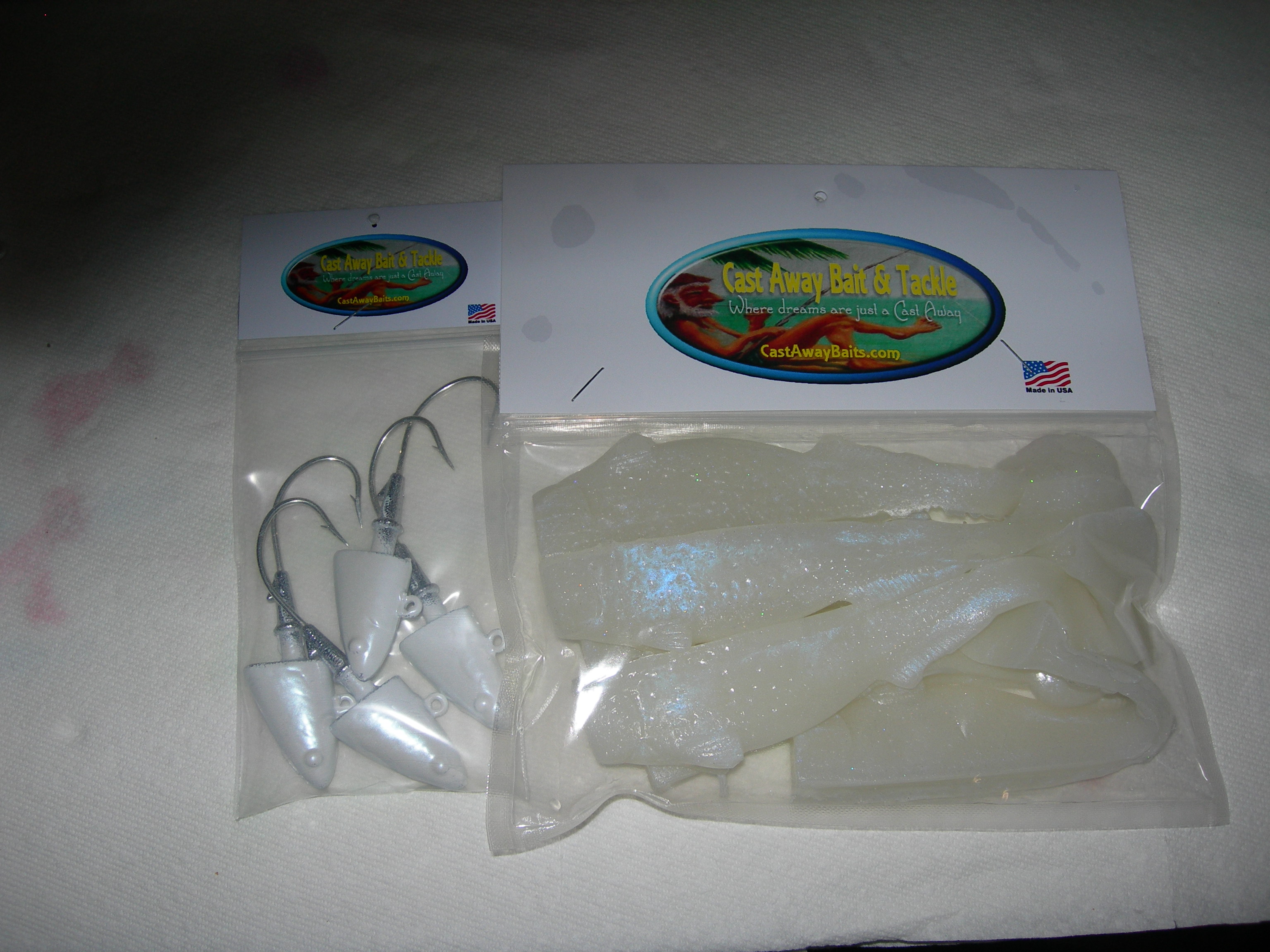
From the July Angler Magazine

“The Southern Tackle Box”

Fishing the Striper Highways in July

As I write this piece, it is mid June and overcast. The water on the lake has back tracked in temperature and the lake is still above full pool. I know that the stripers will be moving south soon but with lake levels above full pool the process has slowed. I suspect the majority of the fish are still enjoying well oxygenated water due to all the vegetation along the shores, our wet weather and the cooler water temps. Still, the fish are called to the south end of the lake as the water temps rise and targeting fish along their travel routes are a good way to find success when fishing for stripers. Over the years I’ve enjoyed catching some of my best stripers in July. The fish are moving and there is plenty of bait moving with them. The schools of Blueback Herring migrate to the south to enjoy the cool oxygen rich thermocline in the deeper trenches of the lake. They bask in the cool water in clouds that are 20-40 thick and can run the length of a football field. There is also a mix of threadfin shad in smaller groups floating around the deeper water that are a favorite target of the smaller, quicker fish.

In July, the stripers are grouping up in full force to work together gorging themselves on the huge schools of bait within the thermocline. As they move south, waves of smaller schools of stripers are using the river channel and creek channels as their traveling routes to get down south. These traveling routes of the migrating stripers are a great place to pick off a few while trolling. The fish that are in the creeks generally use the creek channel to move towards the main river channel and the deeper trenches of the south end. Every year one of my favorite areas to target moving stripers is the intersections where creeks meet the river channels. These areas seem like a loitering area for stripers. It’s like they are hanging out on the street corner looking for trouble. Actually, they are ambushing bait as it travels along the same routes as the stripers. One of my favorite tactics for July is trolling along the edge of the river channel, moving from deep to the upper edges of the channel and back down into the channel. I use this pattern to work the intersections, and if you are patient, you can generally find a few in these areas. If I am working the river channel exclusively, I generally drop my downrigger bait deep in the treeless bottom of the channel and target a bigger fish. Generally the bigger fish travel below the smaller stripers so running downrigger baits deeper in the river channel can yield a bigger fish. As far as my tackle selection, I’m generally running baits that are 4-7 inches in length and a couple of my favorite successful colors for July are a Blueback pattern, chartreuse over white and a pearl white color. Jig weights are generally 1-3 ounces and usually my target depth is 25-35 feet.

I know there is an increase in boat traffic on Lanier during July, but it’s been my experience that the suspended stripers are rarely bothered by the traffic. They are 30 feet below the traffic a they usually go about their business oblivious to the boats above. Leadcore and downriggers with artificials are a great way to target summer stripers on Lanier and checking those striper highways and intersections are a great way to find a few good fish in July. Stay cool this summer and enjoy the hot striper action.

From the May Angler Magazine

“The Southern Tackle Box”

Moving out in May

On our area lakes, May is a time when I start thinking of moving fish. The water is warming quickly and the fish are starting to relate to areas closer to deeper water. The stripers are starting to migrate to the mouths of the creeks and as we get further into May you should find a few on main lake humps and points. Exact locations will vary from year to year but generally speaking the patterns are usually the same. If I’m looking for stripers, the first place I’m going to start looking is the bays and coves from mid creeks to the mouths of the creeks. During this period the stripers are schooled up and moving fast. A lot of times you can find them on the first pass and then they are gone. One thing I’ve learned about stripers in May is that they sometimes move from one landmark to another and then back. By this I mean that they may work from one secondary creek point to another and then move right back. They may go back and forth patrolling an area for moving bait several times a day.


Bait will be slowly migrating out to the mouths of our creeks and the stripers are patrolling in wait for these bait schools to move through. If you are lucky enough to run across one of these striper schools, it’s best to stay in the area even if the fish disappear, most times they will be back. Later in the month of May, you’ll find school sized stripers frequenting main lake humps in search of bait foraging on these humps. U-rigs are a great choice for these fish, especially if the wind is blowing across the lake, making it hard to keep live bait over these fish. Generally, if the fish are on these humps, they are there to eat and pulling a u-rig over these fish is a no brainer. A nice chop on the surface of the lake provides a great backdrop for upward feeding fish and pulling a u-rig is a great way to fool the hungry stripers waiting below. I’ve found that these fish don’t react to single moving artificial baits as well as multiple baits such as a u-rig.


       If you are out early in the morning, topwater action is always a possibility over these same humps. Blueback Herring love swimming close to the surface at times and they are an easy meal for a striper waiting below. Sammy’s, Redfin’s, Jerkbait’s and my personal favorite, a bone colored Super Spook Jr. I can walk it or wake it, I feel confident when I’m using little Spook with my medium spinning gear spooled up with a good fluorocarbon line. As a bonus, if the stripers aren’t in these areas, there’s usually a hungry bass that will take a swipe at a topwater offering.


Every year on Memorial Day weekend my wife and get together with our friends and neighbors to have a fish fry and we usually have a few bass and stripers on the menu. Every year I use the same tactic to procure the fish we need for the tasty filets. I free line and use planer boards with Blueback Herring as bait over main lake humps and primary lake points very early in the morning. Sometimes you’ll need to put a little split shot a few feet up the line and that will keep your bait slightly below the surface. I also like to keep my trolling motor speed at .5 to .8 mph. It’s a great way to catch a few fish and especially if you have little ones, it’s a great tactic for making a few memories. In May our lakes are starting to get a little busy with fishermen and recreational boater, so be safe and be courteous out there and enjoy the month of May!        

From the April Angler Magazine

“The Southern Tackle Box”

Beating the Banks in April

Finally it’s here! Spring has arrived and not a minute to soon. I’ve grown tired of these teaser days of semi warm weather followed by a cold front to make me think that spring is in the far and distance future. The weather is warming and the shoreline is a buzz with activity. The bass are moving closer to the shore and some of our stripers are moving out. Not all, but just some. In April, some of our lakes bigger stripers are getting pulled to the north by instinct and water temperatures and are starting their migration to the north to prepare for the spawn. They have been on the main lake gorging themselves for the journey and the toll of the energy expended during the spawn. This is the time when I’m heading north up the river in search of our bigger stripers, but not every trip involves going north. Unfortunately my wife does not share the same excitement I get from going striper fishing. She would rather stay on the main lake and chunk and wind all day for these squatty little green fish than put a bunch of live bait out around the boat, moving at the speed of a three toed sloth and kicking back for hours in a vegetative state while waiting for 3 minutes of shear excitement and glory. Well, I guess it’s to each his (or her) own. One thing I keep in mind is that she does control 100% of the lovin in the house, so keeping the peace and fishing for a few green fish is a fair trade in my book.
Now me being the engineer that I am, I’m thinking that if I have to go along with these green fish outings I might as well target my favorite species along the way. Now, one of the best little baits I’ve found for spring bass and a few hungry shallow or surfacing stripers is a little white quarter to half ounce bucktail with a little bit of flash on the top and sides. A long time ago I figured out that not all stripers leave the shallow banks to head north in April. A few nice stripers will hang out and stay near shallow water throughout the spring. Don’t ask me why but I’ve caught big stripers on the most extreme parts of the south end of the lake on one day and went up the river 12 miles to the north and caught the same sized stripers the next day, in April. With that being said, I don’t mind going along with the bass fishing. I have convinced my wife that one of the best baits she can use in April is that little bucktail for bass. She believes in that bucktail and darned if she doesn’t hammer them every April with that same little white bucktail. In the mean time, I’m tossing that same little bucktail and catching stripers as well as bass. The difference is that I’m watching all around the boat and sometimes I see surfacing stripers and I know exactly when to throw to get a hungry striper while the wife is steady beating the banks for bass, oblivious to what I am doing. Usually I’m scanning hard in 360 degrees looking for surfacing fish. If I see one off in the distance, that’s where we are going. I may have to be a bit covert about getting us there but generally, as a fisherman, I can concoct some kind of story to maneuver the boat into position for a cast. With bucktails it’s a timing thing for surfacing activity. You have to understand what the fish is doing when he is surfacing to get the bait. Getting that bucktail in the area when the fish is still up is imperative for success. You gotta get it there quickly while the fish is still in attack mode. That’s your best chance for a bite. If I’m not seeing stripers I’m right along with the wife beating the banks with that little bucktail and every once in a while we’ll actually nail a striper of two just blind casting in pockets and coves along the shore on the main lake.
Going up river on the warmer days in April can produce a nice big striper or two with big frisky gizzards or big trout on planer boards and freelines, but don’t rule out the other end of the lake. Taking a small white or light colored bucktail with some good medium spinning tackle and 10-12lb fluorocarbon line or leader material can net a nice fat spring bass or a shallow or surfacing striper in April. Good luck and enjoy these beautiful spring days!

From the March Angler Magazine

“The Southern Tackle Box”

The Perfect Storm

The temps were barely clipping 50 degrees yesterday afternoon as I drove over to the lake. It was a cold and windy day in mid February just after a cold front had passed through the day before. I wanted to check a nearby ramp to see if there was enough water to launch my skiff the following week. I could see the lake through the trees as I approached the launch and I could clearly see progress in the rising water levels. The levels had come up a good 5 feet since my last visit to the little ramp. I parked the truck and walk down to the shoreline to have a closer look at the new waterline. I found a lot of floating debris along the shore not yet washed away from the wind and waves. There was something else I saw under the debris and that’s what I was looking for. Grass, yep grass and weeds and plant life from last fall before the rise of the lake levels from our recent rains. I had been checking the lake level trends on LakeLanier and had noticed that the rate of climb in our lake level over the last few months was much more than it had been in previous years. So far we’ve had a mild winter and a lot of shoreline and coves warmed by the winter sun produced vegetation, but only to get covered by rising lake levels. Since we’ve had a mild winter, we’ve not seen the water temperatures dip down to the low 40’s and produce a significant shad kill. Soon the sun will start providing a warm safe haven for bait fish foraging in the newly flooded vegetation along the sun drenched shores. Well, at least the bait fish think it’s a safe haven, but actually it’s the perfect storm for big stripers to feed in our area striper lakes.

                For a few of our bigger lake stripers, March means hiding in the shallows and ambushing shallow bait. For me, March means shallow water fishing for big fish with live bait behind planer boards. In order to achieve this I need a good planer board that will tuck my bait right up against the shore but allow me to keep my boat a fair distance away while moving at less than a mile an hour. We’re talking about putting a planer board just feet and inches off the bank. These big stripers position themselves in areas of ambush with just a few inches of water above their dorsal. The shallow water explosion made by these big stripers when they attack their prey is amazing. They really put their backs into it. They have no where to run but out over deeper water and generally in March they tend to stay close to the surface during the fight. There is the occasional big fish that has figured out the ropes of heading for the submerged trees and that’s when good line and good tackle comes in. These big fish are very strong in March. They are in their element of perfect water temps and generally they are healthy and a very worthy adversary. You have to be on your game with good fresh line and a good drag system on your reel. I recommend at least a 25lb mono main line and a good 17-20lb fluorocarbon leader 3-6 feet in length depending on the bait size. Another school of though is to use a heavier leader than main line. During shallow water fishing, a leader can take some punishment along the shallow bottom and there are usually sticks and snags along the shore. If you want to really get tough and you’re running big live bait such as big rainbow trout or big gizzard shad, I’d scrap the leader all together and just go with a big circle or octopus hook tied directly to the main 20-25 lb mono main line. Just remember not to use the pigtail on your planer board if using this method.

 My rule of thumb is the bigger the bait, the shallower the water, the shorter the distance between the planer board and the bait. The bigger baits like trout and gizzard shad tend to dig around on the bottom so you want to keep them close to the board to control them. If you’re fishing in 3-5 feet of water, my distance between board and bait is no more than 4-5 feet. If I’m using smaller bait such as a blueback herring, I’ll run the bait 20-30ft behind the board. Bluebacks tend to stay around the surface, right where the big stripers like them. Big stripers are rarely spooked by a planer board, especially if there is live bait in tow that gets their attention. These big stripers have a focus like you wouldn’t believe. They completely ignore their surroundings when attacking live bait. I’ve also witnessed a few stripers that attempted to attack the planer board sending it flying through the air.

       There are other ways to target stripers in the month of March. There will be plenty of schooled up fish over deeper water and in the creek channels. The loons and gulls are still around and the loons are starting to group up before leaving the lake for the summer. When the loon groups start chattering and diving from herding bait into a trap, the gulls start coming out of nowhere for the feeding action. Stripers will follow the loon groups and get their digs in when the bait gets trapped in the shallows of a cove or hump. This is a good time to break out the u-rigs. Bait is running everywhere and towing a u-rig through the mix is very tempting to a fired up school of stripers around the feeding frenzy. My best advice is to keep a close eye on birds, both loons and gulls. As always, I’m scanning the surface as far as I can see for any surface activity. The occasional roll or swirl close to shore could be a dead give away for a big fish.

       Pitching a long Bomber up in the shallows with a very slow retrieve just after dark can be a very exciting endeavor. I wouldn’t recommend this tactic in times of low water levels but in the spring, just after dark stripers usually lurk the shore in search of wandering shallow bait. Creating a slow wake close to the shoreline with a Bomber type top water lure can produce a nice fish or two in the month of March.

These fish won’t exactly be stacked up along the shore like cord wood but if you have some patience and you do your homework you could be landing the fish of a lifetime in March. Keep it shallow and keep it safe this spring!

Winter Fishing on our Striper Lakes

This is the time of year that the fish get a little finicky with the coldest water temps on our area lakes. Stripers can get very lathargic if the water temps drop down in the mid to lower 40’s. The fish become opportunists rather than aggressive. During this period just before the spring warm up, you have to be patient and figure out what the fish are doing. I’ve had success this winter with u-rigs as well as downlining bait to hungry schools. The live bait topwater bite is always a possibility but when the fish refuse to surface, you have to go get them. If live bait won’t work, I’m breaking out the u-rigs. If the u-rigs don’t work, I’m breaking out the spoons. If the spoons don’t work, I’m going home…not really. I’ll move on if the fish don’t want to play, but I’ll probably come back to see if the school gets active. Once again, it takes patience in the coldest part of the year.

My tackle strategy this winter is pretty simple. My winter set-up consists of a minimum of 4 planer boards with an assortment of bait. I will weight and freeline bluebacks, gizzards, threadfin and trout. I’ll freeline the biggest trout and gizzards I can find on ballons or straight out the back at least 100 feet. I’ll also run a small gizzard right behind the boat to swim back and forth, this is called a transom bait and is very effective to pick up a striper or two close to the boat. Sometimes a bait will use the shelter of being around a boat to get away from a hungry striper. Stripers know this and they will not hesitate to come right up to the back of the boat for a quick meal.
I vary the distance of my baits behind my planer boards, but if I’m fishing very shallow water my rule of thumb is the average distance of the bait behind the board is about the same distance as the depth unless I’m using bluebacks as they like to stay near the surface and the don’t usually stray to the bottom like a gizzard or trout. I aways make sure I put out a variety of bait sizes and slowly transition the majority of my baits to what is working the best for me.
I also run 4 downlines with varied baits and various depths. Don’t get stuck on one depth. Your shallower or lighter downline baits should go out the back and your heavier weighted baits in the front of the boat and the depths should be varied until you find a good pattern to stay with.

I’m probably going to have 3 types of artificial tied on. First is some kind of topwater bait. That usually varies acording to what’s laying around the boat. Second is a small bucktail. Winter stripers usually key on the smaller stuff so I use a 3/8 to 1/2 ounce bucktail and thirdly, some kind of jig that I can cast a long way or do some verical jigging. Two years ago we were fishing a big tournament in the middle of winter and ran across a big school of fish. They didn’t hit the downines or planer and freelines so after two passes on the fish I dropped a little verical jig on them and imediately hooked up with a white bass. Dropped back down in them again with the same result. I’m glad I had the little jig tied on or we may have wasted more precious tournament time on those fish. One of the little jigs also won us a top 5 finish 4 years ago in the Striped Bass National Championship landing a 9 pound hybrid with minutes left in the tournament. sometimes a little casting jig can really save the day.

That’s a little bit about my tackle. As far as my fishing strategy, it’s simple in the winter; find the bait and you’ll find the fish. Not every school of bait will hold fish but if you find a creek that has a good concentration of bait, the fish won’t be far away. I like fishing bends in the river if I’m river fishing or fishing a narrow lake in the winter. I also like pulling points and creek channels in the lakes. Sometimes pulling your big baits right down the center of a creek channel will net a big fish. You have to be patient but there’s usually a big striper or two cruising just below the surface or deeper in the channel waiting to greet bait on the way in or out of the creek.

Watch the birds!!! Fast moving groups of gulls headed in one direction and diving or circling gull indicate fish. Loons are a good indicator of bait. Loons are generally working around the lake looking for bait to eat while gulls are more like opportunists sitting around waiting on the fish do the work for them so they can dive in and get a free meal.
Enjoy the winter striper fishing!
Jim

Fishing on 9-21-2012

Well guys, it looks like I was able to squeeze in another trolling trip this year. An old friend Bruce wanted to do a little u-rig and leadcore trolling so we set out early in the morning for a little bait fishing early with some trolling action once the sun came out. I’d already found fish from a scouting trip earlier in the week so it was just a matter of getting them to the boat.Earlier in the week I found good numbers of fish generally in the 40+ depth with a very distinct line at 38 ft. I could see the line on my graph and the big schools of fast moving stripers did not come above the line. They traveled along the line and were not interested in u-rigs. I didn’t have my trolling gear with me on the scouting trip but planned on having it in the boat for our fishing trip. I noticed the surface temps in the upper 70’s in late afternoon and I think the lake is beginning to turn over. I saw discolored water being released from the dam and lines of bubbles out on the main lake here and there. It looks to me like the thermocline is sinking and soon I think the fish will head north to get outof the unstable water of the south end of the lake.
When Bruce and I hit the water we looked for fish in shallow areas and in the back of pockets and creeks. We searched and dropped bluebacks on single fish near the bottomin 30-50 feet. Nothing more than a pull down or two but the live bait bite was slow in the morning. Once the sun came out I started working the u-rigs over the trees but not takers. Around lunch the fish started moving around and grouping up for the afternoon bite. We tried the u-rigs on the fish again but no takers. Finally I started seeing fish up in the column around 30 feet and knew those fish could be caught on leadcore. First we used the 2 ounce shad head jigs with big shad bodies but we only had 1 taker on the big jigs. I sized down the leadcore on my side of the boat with a little 3/4 ounce Cast Away Troller and almost immediately had a fish on. We quickly switched Bruce’s leadcore jig to the same set up and we boated 5 more within an hour. The size down made all the difference. Once the stripers started moving back down past the 40 ft depth, the bite dropped off and Bruce and I called it a day. We ended up with 6 nice stripers and lost 2 others on the way to the boat. I wished we would have switched to the smaller trollers earlier but we still had a great day of fish on a early fall day. Here’s a couple of videos from the trip. The first is some of the tackle we were using and the second is some of the fishing action.


Trolling Lanier on 9-5-2012

I’ve been winding down my trolling trips and doing a lot of work in the shop lately. I got out yesterday with Levi and Eric. Both guys help me around the shop and it was Eric’s Birthday so we took the afternoon off and hit the lake to see if we could get Eric a nice striper for his birthday. The water temps are starting to drop from all the cloud cover and shorted days. We saw plenty of fish both deep and shallow from 6 mile to the dam. We saw groups of smaller stripers up in shallower 35-40 ft water. We targeted a couple different shallower groups and we were able to get some smaller stripers by running the leadcore at 6-7 colors. We found some bigger fish on the south end and that’s where Eric’s biggest fish came from. It was a typical September pattern for trolling with lots of grouped up fish but not many takers on the leadcore. We didn’t have bait but I’m pretty sure we could have doubled the numbers with bait. It was a nice afternoon for trolling and I saw plenty of striper boats out and about. With a cool front on it’s way giving us cooler nights, I think the water may dip into the 70’s very soon. When that happens, I think we’ll see a little more topwater action both early and late in the day. Right now is a great time to get these Lanier stripers as soon well see the turnover and most of these fish will vanish for a period of time. There are a couple of fishing stories on my blog from fall and early winter that may help with the upcoming striper fishing season. Here’s a few pictures from yesterdays fishing.


The new “Downrigger Cam”

Guys, I’ve always wondered about those stripers that run up from the depths to look at the downrigger weights. I seen fish on my graph run up from well below the downrigger weight, sometime more than 100 feet, just to look at it and go right back down. I thought it might be cool to try and video this as well as hook up with a fish during one of those times when the fish are feeding on a school of bait and there is a lot of action with a good sized school of fish. I have also run the weight through huge schools of bluebacks and shad and I’m anxious to see if I can video that. That’s why I created the Downrigger Cam. My wife gave me a GoPro Hero for Xmas so if I loose this baby in the trees there will be trouble at the Cast Away household. Stay tuned next week for more info and hopefully some good videos with the camera. Here are a couple on the design and low drag testing at the Cast Away Testing facility.


Late Crib notes for trolling Lanier

Well guys, We’re pretty deep into the trolling season and I’ve had a blast so far. I’ve been able to get on the water more this summer than summers in the past. The stripers on the south end of the lake have been around in big numbers and I’ve learned a lot from all of these fishing trips. Here are a few observations that have made this summer more productive for me:

1. The use of flourocarbon for my leaders have made a big difference. More specifically, I’ve been using Bass Pro XPS flourocarbon in 17lb and 20lb. I use the 17lb on the downrigger rigs and 20lb on the leadcore rigs. I’ve compared my 20lb Big Game to the flouro several times this year and the flouro out produced the mono by more than 3 to 1. A good 30-40 foot flouro leader makes all the difference, but it’s more costly than mono.


2. Tackle selections have been very important. I’ve been running several different jigs and trying to outsmart these fish when they get leary of the leadcore and a certain jig. I’ve had good luck with a 6 inch pearl w/blue highlights shad body on a 2 ounce shad head in the same pearl w/blue highlights. That combination has become my go to bait for these summer stripers. I’m convinced that this profile resembles a large Blueback Herring and that’s what the bigger stripers are keying on. It’s a no brainer with this jig, everytime we’ve put it on we’ve caught fish. When the fish get weary of the shad bait, I put on a 2 ounce bucktail troller to give them something different and it usually fools them for another hook up or two.

3. Getting the baits to the right area to get bit. It changes from year to year but this year the 30-35 range has been the most productive this year. I’ve been using 2 ounce and heavier jig heads to get the bait lower. Another tactic that has been successful is loading my Diawa 57lc with 12 colors of leadcore. Cortland sells a 200 yd spool of 27lb leadcore and my 57’s will hold 12 colors so I’ve been able to work the baits deeper running more colors. There are good fish to be caught trolling your baits deeper but it comes with a cost. There are a lot of trees in Lanier so I’ve been working the river channel and some deep flats with the longer leadcore to keep from hanging it in the trees.

4. In my opinion you have to train yourself to think 100 yards behind the boat to be a successful troller. If you can’t get your baits over or through the fish it’s probably not going to work well. I can’t stress enough how important it is to keep your baits in line with the fish you mark and know where your baits are in relation to your graph. On my graph it’s pretty easy. When I’m trolling over water 100 ft deep or deeper the range of my screen on my graph is around 100 yards from right to left when scrolling. That means when the fish get to the end of the scrolling screen on my graph, my baits should be close to running through or over the fish I marked. If I keep my boat in a straight line, I can just about call when a fish is going to hit the jig. To me that is pretty cool to be able to anticipate a strike.

Those are a few tips and crib notes to help with your trolling this summer. Here are a few videos of some recent trips:


Trolling on 7-12 and 7-13

I hadn’t been on the lake since last Friday and things had changed considerably for trolling. In the days that I missed, the weather had cooled along with surface temps. The surface temps dropped 5 degrees and the fish went deep with the rising barometer. They had me stumped for awhile but yesterday the 12th we finally figured out a pattern that worked. We hit em with the downriggers early and caught a couple, and then threw the leadcore at em. The key was to get the heavy stuff down to them.

I had the pleasure of fishing with a couple of fellow veterans and we had a blast. Jamie and Eric Both caught fish with Alex working the deck hand duties. Here’s a little video of our trip on the 12th.